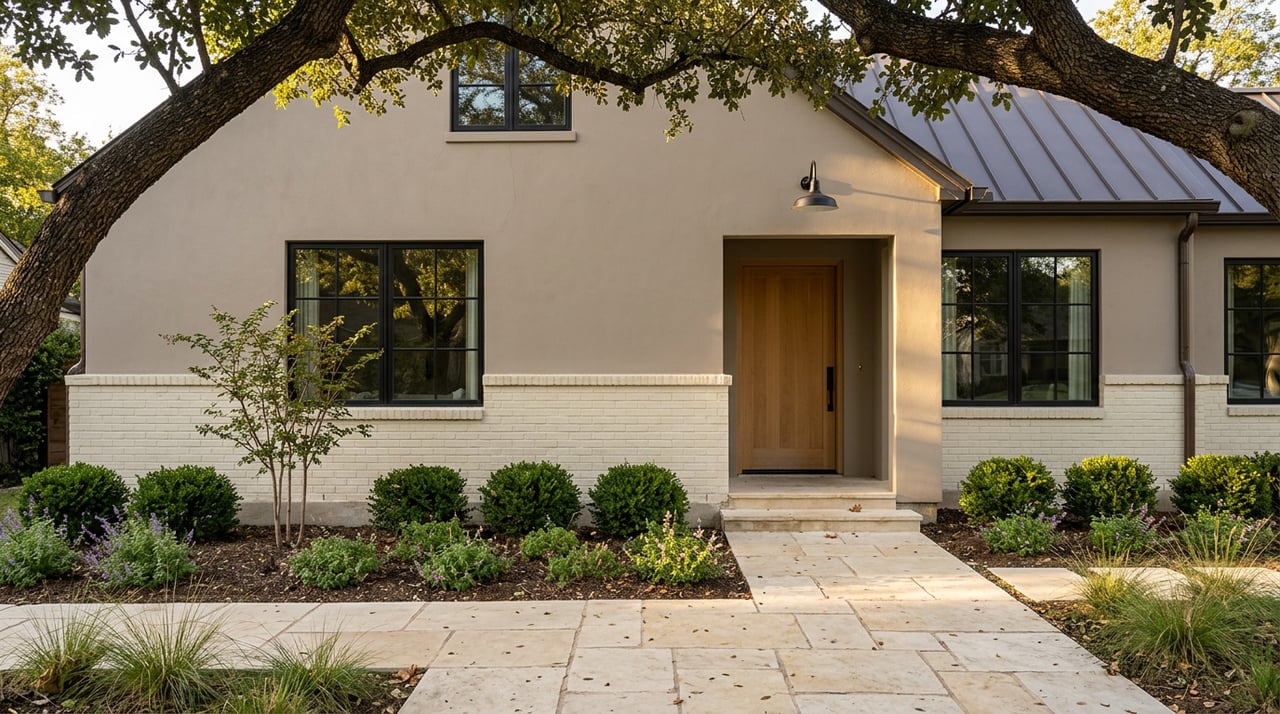
If you are dreaming about a second home in Wimberley, it is easy to see the appeal. The setting offers classic Hill Country scenery, easy access from Austin and San Antonio, and a lifestyle shaped by swimming holes, live music, shopping, and seasonal events. But before you fall for a view or a charming cottage, it helps to understand the practical details that can shape how you use the property and what it will really cost to own. Let’s dive in.
Why Wimberley draws second-home buyers
Wimberley attracts buyers who want a Hill Country retreat that feels both scenic and active. According to Visit Wimberley, the area is known for destinations like Blue Hole Regional Park, Jacob’s Well, Old Baldy, wineries, breweries, shopping, live music, and the well-known Market Days event.
That lifestyle appeal also comes with seasonality. Visit Wimberley notes that spring and fall are popular for outdoor activities, summer centers around swimming, and some attractions require reservations during peak season. If your goal is a personal getaway, entertaining space, or part-time retreat, those patterns can influence when you will enjoy the home most.
Start with your intended use
Before you look at finishes, views, or acreage, define how you plan to use the home. That single decision affects financing, carrying costs, insurance needs, and whether local short-term rental rules may apply.
In broad terms, most buyers consider one of three paths:
- Personal use only
- Personal use with occasional short-term rental plans
- A more investment-focused rental strategy
That distinction matters for lending. Fannie Mae’s occupancy guidance says a second home must be occupied by the borrower for part of the year, suitable for year-round use, under the borrower’s exclusive control, and not function as a rental property or be subject to a management arrangement that controls occupancy.
If you expect the property to behave more like an income-producing asset, your financing path may look different from a true second-home purchase. It is worth sorting that out early so your search stays aligned with your goals.
Understand Wimberley short-term rental rules
If you hope to rent out the property for short stays, one of the first things to confirm is whether the home sits inside Wimberley city limits. If it does, the city requires a Conditional Use Permit for every short-term rental.
The city distinguishes between owner-occupied STR 1 and non-owner-occupied STR 2 properties. Approved short-term rentals are also subject to state and city hotel occupancy tax, which should be part of your operating-cost planning.
The permit process is not a minor formality. The city states that neighbors within 200 feet are notified, a public hearing is held, and City Council makes the final decision. If 20% or more of contiguous property owners oppose the request by land area, a supermajority vote is required.
Timing also matters. The city says typical processing takes 45 to 60 days, the fee is nonrefundable, and an approved permit stays with the property unless revoked for noncompliance. That means rental potential should be treated as a due-diligence item, not an assumption.
Questions to ask before counting on rental income
If short-term rental use is part of your plan, ask these questions early:
- Is the property inside the City of Wimberley?
- If so, is it a realistic candidate for a Conditional Use Permit?
- How will parking, septic capacity, and emergency procedures be handled?
- How might the proposed use affect nearby property owners?
- Does your financing structure fit second-home use or investment use?
The city specifically asks applicants to think through septic capacity, neighbor impact, parking, emergency procedures, and neighborhood support as part of the process. Those details can affect both usability and approval odds.
Budget beyond the purchase price
A second home budget in Wimberley should go well beyond principal and interest. Taxes, insurance, utilities, and infrastructure can materially change the cost of ownership.
Texas does not have a state property tax, but local property taxes still apply. The Texas Comptroller says the general residence homestead exemption is available only for an owner’s principal residence, so a true second home typically does not qualify.
That makes it especially important to underwrite the property based on its actual tax treatment, not on assumptions carried over from a primary home. For many buyers, this is one of the first surprises in the cost stack.
Separate flood insurance from homeowners coverage
Flood risk deserves a direct conversation in Wimberley. City planning materials note that the area is crossed by the Blanco River and Cypress Creek and is susceptible to flash flooding, with low-water crossings that may close during weather events. You can see that context in the city’s parks and recreation master plan.
Just as important, FEMA explains that most homeowners insurance policies do not cover flood damage. NFIP flood insurance also usually has a 30-day waiting period before coverage begins, so this is not something to leave until the last minute.
For buyers comparing properties near creeks, river corridors, or lower-lying areas, flood insurance can affect both monthly ownership costs and your comfort with the property over time. It is wise to evaluate this early rather than after you are emotionally committed.
Confirm utilities, water, and wastewater setup
Not every property in Wimberley is served the same way, which is especially relevant if you are looking at acreage, custom homes, or properties outside the most central areas. According to the city’s utilities information, some homes may connect to the Central Wimberley Wastewater System, while water service may involve Wimberley Water Supply Corporation or Aqua Texas. On-site sewage facility permits are handled through Hays County.
This is more than a technical detail. If you are considering rental use, guest occupancy, or frequent entertaining, capacity matters. The city’s short-term rental guidance specifically tells buyers to confirm septic capacity.
Water use also deserves attention in Wimberley’s climate. The city’s water conservation guidance notes that rising demand, warm temperatures, and low rainfall can challenge supply, especially during summer. It also says outdoor water use can account for 50% or more of household use.
Why water-wise features can matter
For a second home, practical landscaping can reduce maintenance and operating costs. Features like xeriscape-friendly design, rain barrels, or cisterns may fit well with local conditions and help support easier ownership when you are not at the property full time.
Plan for access and away-from-home logistics
Wimberley is best enjoyed by car. Visit Wimberley states there is no public transit system and that rideshare availability is limited, so personal transportation is a practical necessity for most owners and guests.
That can influence your ownership plan more than you might expect. If this is a lock-and-leave retreat, think through who will check on the property, respond to weather issues, and help coordinate maintenance when you are away.
The city also uses emergency and road-closure alerts, which matters in an area where low-water crossings can be affected during weather events. A home that feels peaceful on a sunny weekend should also make sense logistically during less predictable conditions.
Think about seasonality before you buy
Many buyers picture the best weekends in Wimberley, but it is smart to think through the full calendar. Visit Wimberley highlights spring and fall as prime outdoor seasons, summer as swimming season, and winter as a quieter time with fewer crowds.
That rhythm can shape the kind of property that fits you best. If you plan to host often in warm months, outdoor living and easy access to swimming destinations may rise on your list. If you want a quieter retreat, your priorities may lean toward privacy, views, and lower-maintenance ownership.
A smart Wimberley second-home checklist
Before you move forward, make sure you can answer these basics with confidence:
- Use: Will this be a true second home, an occasional rental, or something more investment-oriented?
- Location: Is the property inside Wimberley city limits?
- STR rules: If rental use is planned, can the property realistically support the city’s permit process?
- Insurance: Should flood insurance be part of the ownership budget?
- Taxes: Is your budget based on local property taxes without a homestead exemption?
- Utilities: Is the property on city wastewater, another water provider, or a private septic setup?
- Water: Will landscaping and water use be practical for part-time ownership?
- Access: Do you have a plan for transportation, maintenance, and emergency response when you are away?
Wimberley can be an exceptional place to own a second home, but the best purchases usually happen when lifestyle goals and due diligence are equally clear. If you want guidance on finding a Hill Country property that fits both your vision and your practical needs, Megan DiBartolo offers a thoughtful, discreet advisory approach designed around lifestyle alignment and smart decision-making.
FAQs
What should you consider first when buying a second home in Wimberley?
- Start by defining how you will use the property, because personal use, occasional rental use, and investment-style use can affect financing, permits, insurance, and ongoing costs.
Do short-term rental rules apply to second homes in Wimberley?
- If the property is inside Wimberley city limits and you plan to rent it short term, the city requires a Conditional Use Permit for every short-term rental.
Does a second home in Wimberley qualify for a Texas homestead exemption?
- A true second home generally does not qualify, because the Texas homestead exemption applies to a property that is your principal residence.
Do you need flood insurance for a second home in Wimberley?
- You should evaluate it carefully, since FEMA states that most homeowners policies do not cover flood damage and Wimberley has local flood-risk considerations.
What utility questions matter for a second home in Wimberley?
- You should confirm whether the property uses city wastewater, another water provider, or private septic systems, and make sure capacity is adequate for your expected use.
Is Wimberley easy to use as a weekend home without a car?
- In most cases, no, because Visit Wimberley says there is no public transit system and rideshare availability is limited, making personal transportation important for owners and guests.