Neighborhood Guides
Browse things to do, places to see, and landmarks to explore.
Find Your Dream Texas Hill Country Land for Sale
Whether you’re searching for acreage for a homesite, ranch, investment, or recreational property, these FAQs cover key considerations for land in the Texas Hill Country.
1. What kinds of land are available in the Texas Hill Country?
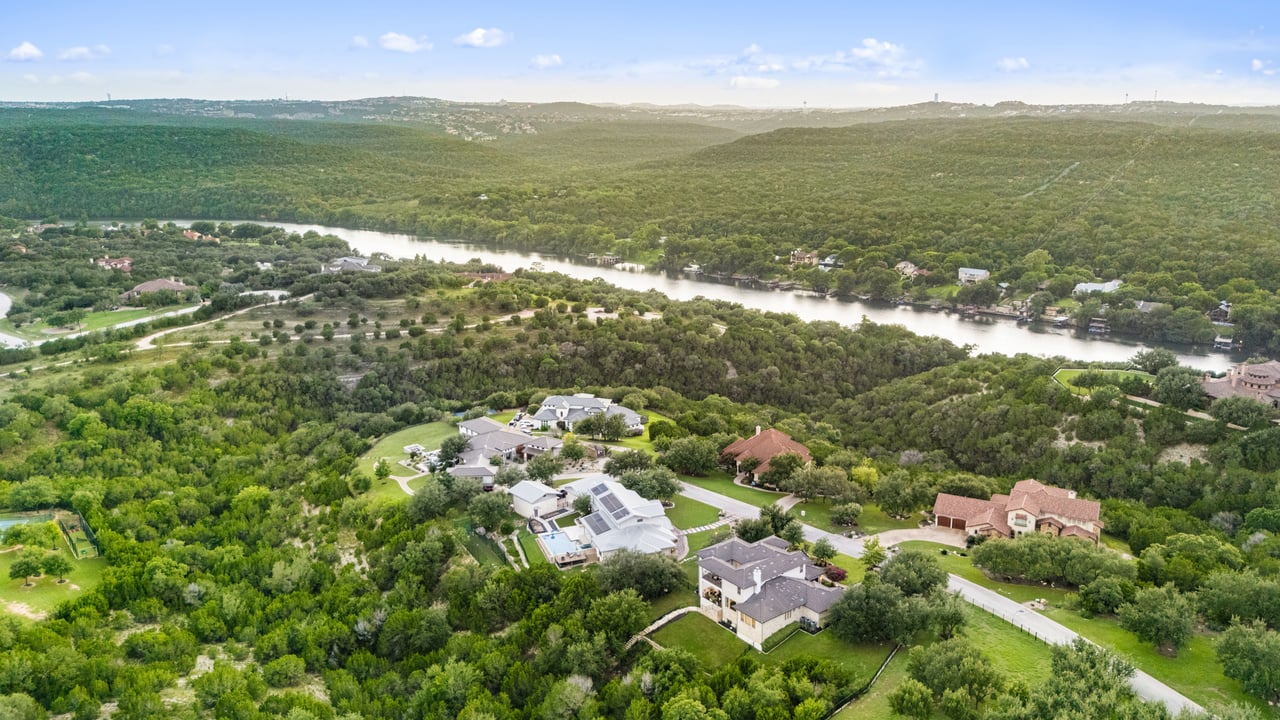
Land listings in the Hill Country include raw acreage, ranch land, wooded parcels, riverfront or creek frontage properties, and development‑ready tracts with utilities and road access.
2. What should I consider before buying Hill Country land?
Buyers should assess topography, soil quality, zoning and land use rules, utilities (water, septic, electricity), drainage, and access before making a purchase.
3. Do properties often include utilities already on site?
Many rural parcels do not have utilities in place, so buyers may need to drill wells, install septic systems, extend power lines, or arrange satellite internet.
4. Can land in the Hill Country qualify for tax exemptions?
Yes. Land used for qualifying agricultural activities like grazing or hay production can qualify for agricultural or wildlife valuation exemptions, reducing property taxes.
5. How does zoning affect what I can do with the land?
Zoning and land use rules vary by county and can affect whether you can build homes, operate agricultural ventures, establish rentals, or run businesses on the property.
6. Is land financing different from home financing?
Yes. Land loans often require larger down payments (20–30%), shorter terms, and higher rates. Some buyers explore seller financing or agricultural lenders to ease acquisition.
7. Does land near water or with natural features command a premium?
Properties with water access (rivers, creeks) or scenic views are generally more desirable and can have higher market values due to their recreational and development potential.
8. What investment potential does Texas Hill Country land have?
Demand for land often outpaces supply in the Hill Country, and investors may consider land banking, recreational property development, or vineyards as appreciation and utility drivers.
9. Are there environmental or regulatory issues to be aware of?
Some areas include protected species habitats, flood‑prone zones, or karst terrain, which can affect buildability and require environmental assessments.
10. How far does the Hill Country extend and does location matter for land value?
The Hill Country covers over 25 counties west of Austin and north of San Antonio, and proximity to urban centers, infrastructure, and major roads can significantly influence land value and future potential.
Browse things to do, places to see, and landmarks to explore.
Browse things to do, places to see, and landmarks to explore.
Read the latest news, tips, and insights for the real estate market.