Thinking about a gated home in Dripping Springs, but not sure where to start? You want privacy, Hill Country views, and an easy daily routine without giving up access to Austin. This guide breaks down the gated options, what to expect with HOAs, and the key checks that protect your investment. Let’s dive in.
Why Dripping Springs gated living
Dripping Springs sits on the western edge of Greater Austin and draws buyers who value space, scenery, and a relaxed lifestyle with practical access to city services. Many gated neighborhoods here balance Hill Country privacy with proximity to schools, groceries, and commuter corridors. Growth and new infrastructure are ongoing, so it helps to keep an eye on city and county updates. You can review planning and utility news on the City of Dripping Springs site and county road information through Hays County.
Gated community types
Luxury master planned
These neighborhoods feature controlled entry, private roads, curated amenities, and higher-end builders. You may see resort-style pools, fitness centers, trails, and community gathering spaces. Homes often sit on larger lots with upscale finishes and flexible floor plans. This setup fits buyers who want a neighborhood feel with luxury perks.
Private custom enclaves
Smaller gated pockets prioritize privacy and custom home design over large shared amenities. Expect limited lot counts, architectural standards, and quiet streets. These enclaves often attract move-up buyers who want a tailored home on a larger lot. The tradeoff is fewer community facilities and a more independent lifestyle.
Ranch and acreage gates
At the rural end of the spectrum, you’ll find gated ranch-style properties on larger tracts. Think hobby farms, equestrian setups, or estate parcels with long private drives. Community features may be minimal, but the acreage and seclusion are the draw. Verify water, septic, and road responsibilities early when considering these properties.
Lots, homes, and outdoor living
Typical lot sizes and homes
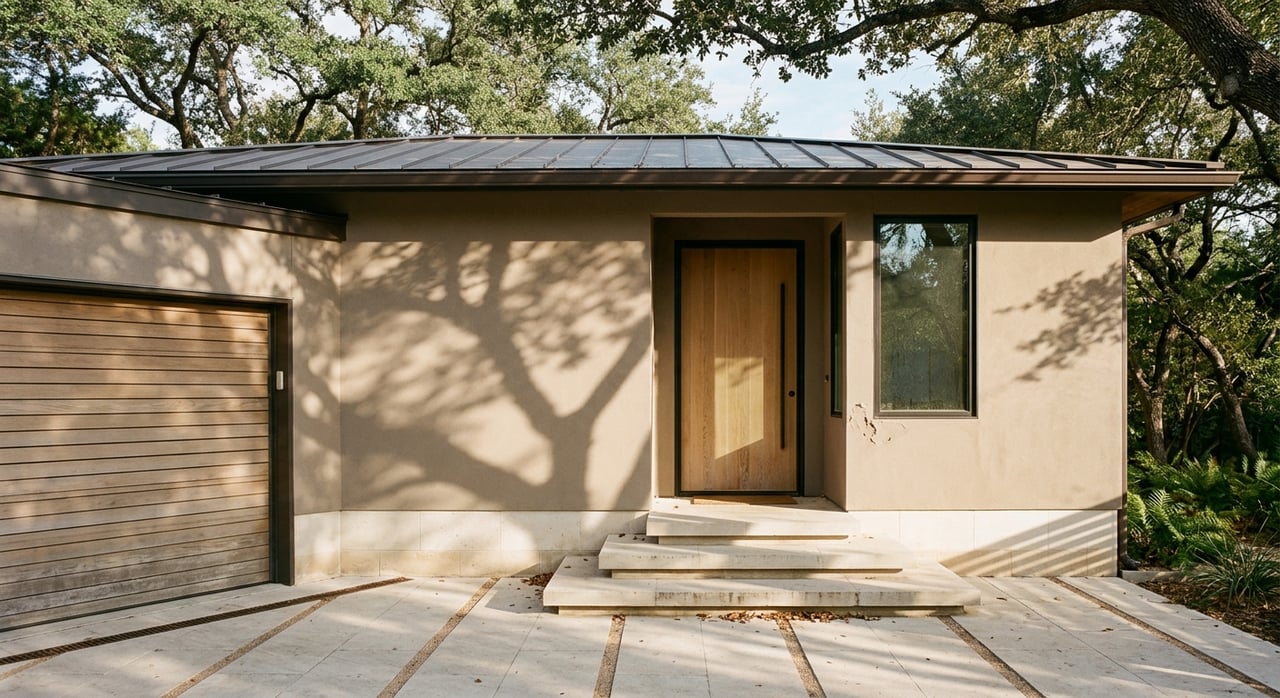
Gated properties in the Dripping Springs area commonly range from roughly 0.5 to 1 acre up to several acres, with some tracts extending to 10 or more acres. Architecture spans high-end single-family homes to custom Hill Country estates. Floor plans often include open family areas, multiple living zones, and guest suites that support multigenerational living. Prioritize function for daily life in addition to the privacy you want.
Outdoor living must-haves
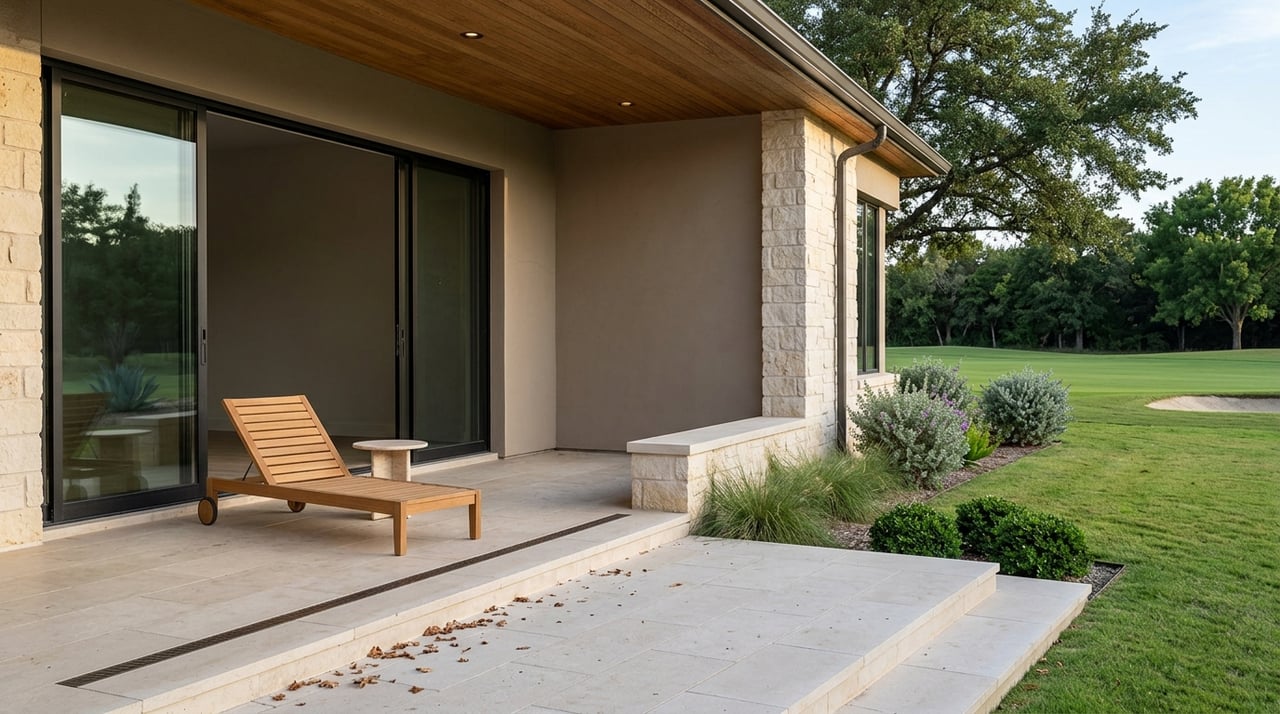
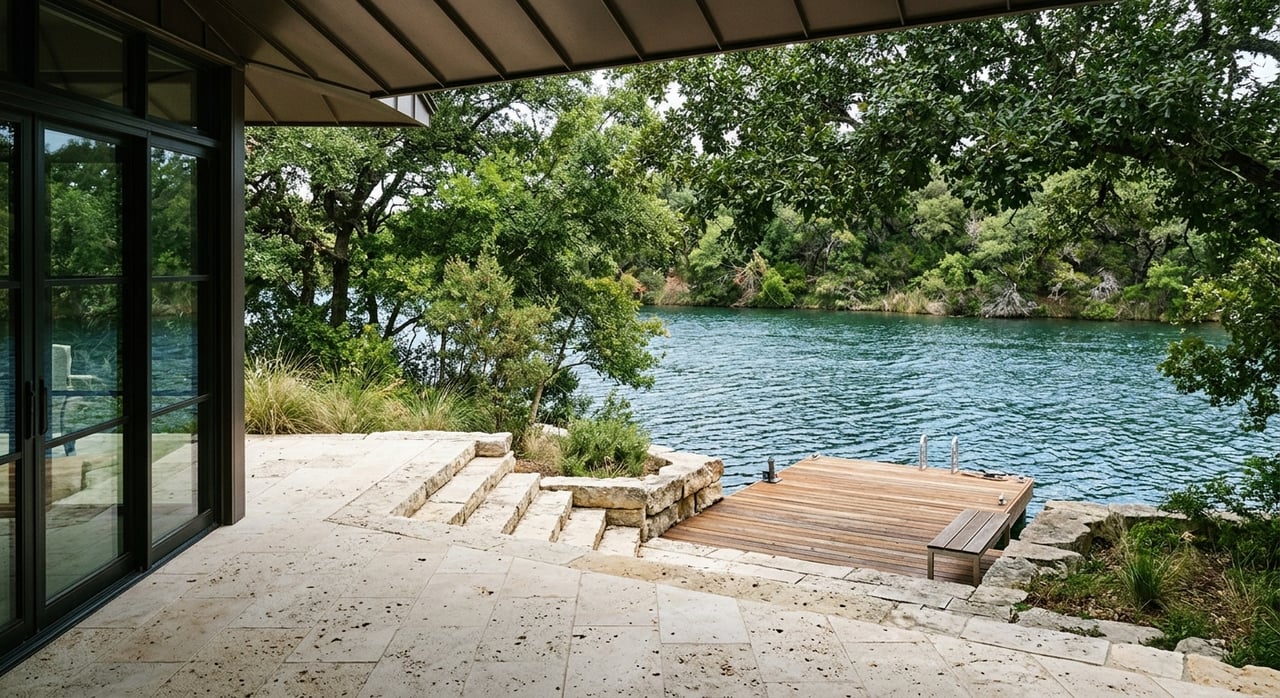
Outdoor living is a defining feature of the Hill Country. Popular elements include covered patios with fans, outdoor kitchens, stone fireplaces or fire pits, and saltwater or low-maintenance pools. Many owners favor native landscaping and efficient irrigation to suit local conditions. You will also see features like casitas, sport courts, or garden plots that make the land more useful year-round.
Resale and layout choices
Gated properties often command a premium for privacy, views, and amenities. Resale performance tends to hinge on location, lot size, road access, and the clarity of HOA governance. To protect value, favor layouts that support everyday living, like multiple gathering spaces and well-placed bedrooms. Balance the wow factor with function.
Amenities and security features
Community amenities to expect
Amenities vary widely by neighborhood. Common offerings include resort-style pools, gyms, clubhouses, tennis or pickleball courts, trails, and pocket parks. Equestrian facilities may appear in larger ranch-style communities. Confirm what the HOA maintains and how usage works, especially if you plan to host guests.
Security and access details
Gate systems can be staffed or managed via keypad, remote, call box, or smartphone apps. Some communities add patrols and perimeter fencing. Ask how vendors, delivery drivers, and contractors are handled so your daily routines stay smooth. Clear policies reduce friction for you and your visitors.
Location and daily life
Commute and connectivity
Drive times vary by exact location and time of day. Many gated enclaves are designed to preserve privacy while keeping Austin employment centers within reach. Test your likely routes during peak hours before you commit. For future projects that could affect traffic patterns, watch updates from the City of Dripping Springs and Hays County.
Schools and attendance zones
Dripping Springs Independent School District serves much of the area. Attendance zones and capacity can change, so verify the current maps and any planned expansions directly with the district. Use neutral, fact-based comparisons and avoid relying on ratings alone. If schools are a priority, check commute times to campuses during drop-off and pickup windows.
Groceries, healthcare, and dining
Central Dripping Springs offers daily conveniences like groceries, pharmacies, banking, and casual dining. Larger hospitals and specialty care are typically in Austin and nearby suburbs. If you rely on frequent medical visits, map those drives from any property you consider. Many buyers also enjoy farm-to-table restaurants and small boutiques around town.
Trails, parks, and wineries
Outdoor recreation is a major draw in Dripping Springs, from preserves and natural pools to regional trail systems. The Texas Hill Country AVA includes many wineries and tasting rooms across the region. Access rules can change seasonally, and some preserves require reservations. Check current conditions and plan visits to confirm the lifestyle fits your routine.
Utilities and property systems to verify
Water and septic
Many gated and acreage homes rely on private wells and septic systems. Confirm water source, well permits, depth, and yield, and review septic age, capacity, and maintenance records. Plan for periodic inspections and potential upgrades as part of ownership. Ask who maintains any shared water or irrigation systems.
Internet and cell coverage
Coverage can vary in hilly terrain. If you work from home, confirm broadband options like fiber, DSL, fixed wireless, or satellite. Test cell service on site and in outdoor living areas. Factor any equipment or plan changes into your budget.
Roads, trash, and services
Gated neighborhoods often include private roads. Clarify maintenance responsibilities and whether costs are in the HOA fee. Ask how trash and recycling are handled and who coordinates vendors. Clear answers here help you plan for everyday logistics.
HOA and due diligence checklist
Get association documents early and read them closely. Rules and finances often determine how smooth your ownership feels and how well your home resells later. For a legal overview of association rules in Texas, consult the Texas Property Code.
Documents to review
- CC&Rs, bylaws, and articles of incorporation
- Rules and Regulations and ACC standards
- Current and prior-year budgets and financials
- Reserve study and notes on capital projects
- Current assessments and history of special assessments
- HOA meeting minutes for the last 6 to 12 months
- Master insurance summary and owner coverage requirements
- Gate and security vendor contracts and operations
- Delinquency report and resale certificate or disclosure package
Questions to ask
- What is the monthly or annual fee and what does it cover?
- Are capital projects, special assessments, or litigation on the horizon?
- What rental restrictions apply and what are minimum lease terms?
- How do residents and guests access the gate? Are there apps or passes?
- What rules affect exterior changes, paint, landscaping, sheds, RVs, or livestock?
- How are disputes handled and what is the ACC appeal process?
Red flags to watch
- High or rising owner delinquency rates
- Low reserves or no recent reserve study for roads, gates, or pools
- Pending or ongoing HOA litigation
- Overly restrictive ACC rules that limit common needs
- Unclear gate access that complicates deliveries and contractor access
Financing, insurance, and taxes
Some lenders will review HOA stability and fees as part of underwriting, especially for VA or FHA financing. Clarify who pays for private road maintenance and how those costs are handled in the HOA budget. For larger acreage, verify property tax implications and any agricultural exemptions. For market context and regional research, the Texas A&M Real Estate Center is a helpful resource.
How we help you buy well
You deserve a boutique, hands-on advisor who knows the nuances of gated and acreage living in the Hill Country. Our approach is relationship-led and detail-forward, from curating neighborhoods that fit your lifestyle to stress-testing drive times and reviewing HOA governance. We also leverage private, pre-MLS networks for discreet opportunities that never hit public search. When it is time to negotiate, you get seasoned representation and clear guidance so you can move with confidence.
Ready to explore gated options in Dripping Springs or compare specific communities? Let’s align your lifestyle with the right property and protect your long-term interests. Connect for a private conversation with Megan DiBartolo.
FAQs
What types of gated communities are in Dripping Springs?
- You will find luxury master planned neighborhoods, small custom enclaves, and ranch-style gated acreage, each with different tradeoffs in amenities, privacy, and lot size.
How do HOA fees work in gated neighborhoods?
- Fees vary by community and typically cover items like road upkeep, gate operations, landscaping, and amenities, so ask for budgets and financials to see what is included.
What outdoor features are common in Hill Country homes?
- Covered patios, outdoor kitchens, pools, fireplaces or fire pits, native landscaping, and sometimes casitas or sport courts are popular for year-round use.
What should I verify about water and septic on acreage?
- Confirm well permits and performance, review septic capacity and maintenance records, and order inspections to understand age, condition, and any needed upgrades.
How should I evaluate commute and daily errands from a gated home?
- Test drive your routes during peak hours and map trips to schools, groceries, and healthcare while also watching city and county updates for planned road projects.
How do rental rules affect ownership in gated communities?
- Rental restrictions are set by the HOA’s CC&Rs and Rules and Regulations, so review minimum lease terms and any short-term rental bans before you write an offer.