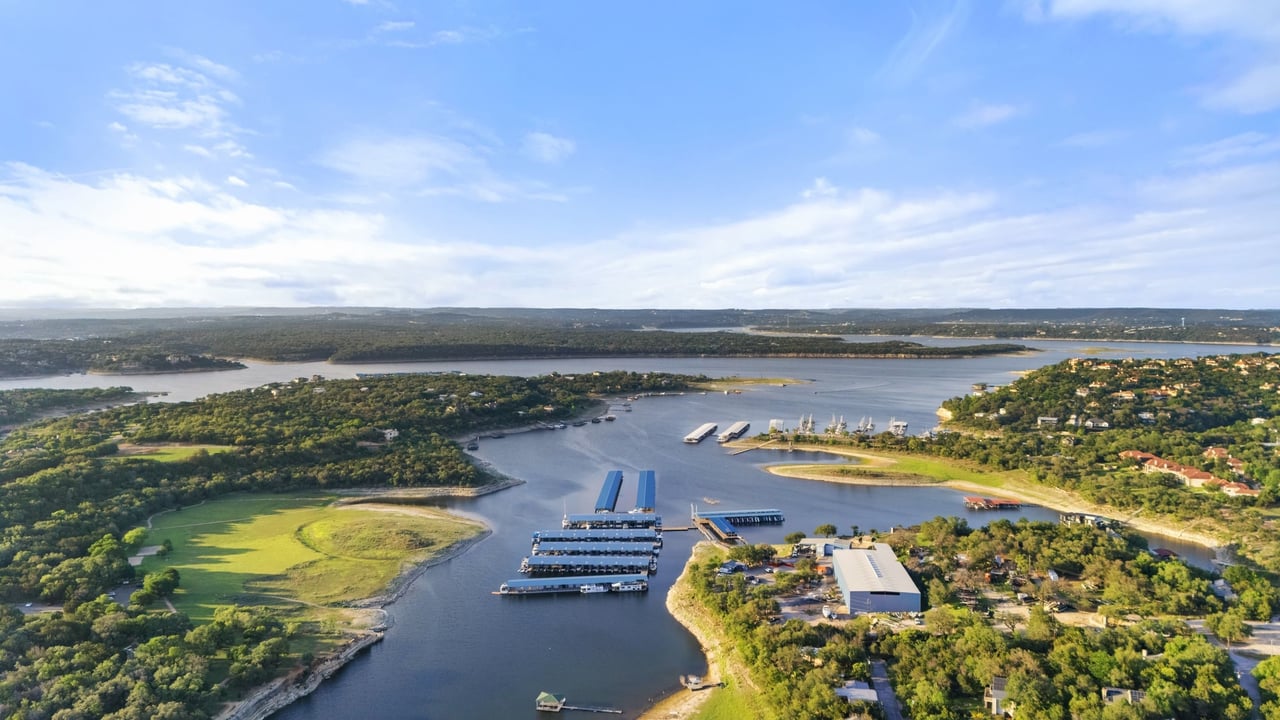
Buying on Lake Austin often comes down to one thing: the dock. A permitted, well-designed dock can add value, convenience, and peace of mind. An unauthorized or poorly maintained dock can become a costly headache. In this guide, you will learn how permitting works on Lake Austin, what to check during due diligence, and how dock status affects both price and risk. Let’s dive in.
Who regulates Lake Austin docks
Lake Austin shoreline uses are primarily regulated by the Lower Colorado River Authority (LCRA). LCRA reviews and authorizes most docks, lifts, boat houses, and other shoreline structures. Their policies set the baseline for what you can build and how you can maintain it.
Local governments also play a role. Properties inside the City of Austin or within Travis County may need local building or floodplain permits in addition to LCRA authorization. Neighborhood associations can layer on architectural guidelines or material standards.
Other state agencies publish guidance you may encounter. Texas Parks and Wildlife covers boating safety and shoreline habitat, and the Texas Commission on Environmental Quality addresses water quality practices for construction. These resources help inform best practices and expectations.
Here is how to start:
- Contact the LCRA shoreline and permitting office early in your due diligence.
- Confirm whether the property is inside City of Austin limits or only in Travis County.
- Ask the seller for all permits, as-built drawings, surveys, and any LCRA correspondence.
What permits cover and how reviews work
Common LCRA authorization types
You will most often see approvals for:
- Private residential docks and piers, fixed or floating
- Boat lifts and covered slips or boat houses
- Shoreline stabilization such as retaining walls or riprap
- Boat ramps and storage for trailered boats
- Vegetation removal or shoreline clearing
What LCRA evaluates
LCRA looks at safety, operations, and environmental fit. They consider the dock’s location relative to navigation channels and public areas, potential effects on boating safety, and impacts on shoreline habitat and aquatic vegetation. Visual compatibility with neighboring properties and structural safety also factor into a decision.
Typical application documentation
A complete submittal usually includes a site plan with the proposed footprint, scaled drawings, and distances to adjacent docks and features. You will also need structural details, materials and anchoring plans, and a survey showing property lines and the ordinary or high-water line as LCRA defines it. Expect to provide a construction schedule, contractor credentials, and proof of any required city or county building permits.
Timelines vary. Reviews are administrative and technical, and some applications take longer than others. Do not assume immediate approval. If a permit is a condition of your purchase, build in time and verification steps before you close.
Note that some existing docks may be authorized under older rules. To rely on any “grandfathered” status, you will need documentation that shows the structure was installed under a prior authorization.
Setbacks, size, and materials
No single numeric rule fits every lot
Buyers often ask for a universal setback number. On Lake Austin, LCRA applies site-specific limits based on lake operations, safety, and adjacent uses. Do not rely on a generic distance. Verify the permitted footprint for the specific lot.
Footprint and placement to double-check
Common constraints to investigate include lateral encroachment toward neighboring docks, distances from marked navigation lanes, and total dock size or width. Maximum length or square footage may appear in a property’s individual authorization. Placement and orientation should avoid obstructing access and navigation.
Materials and construction that last
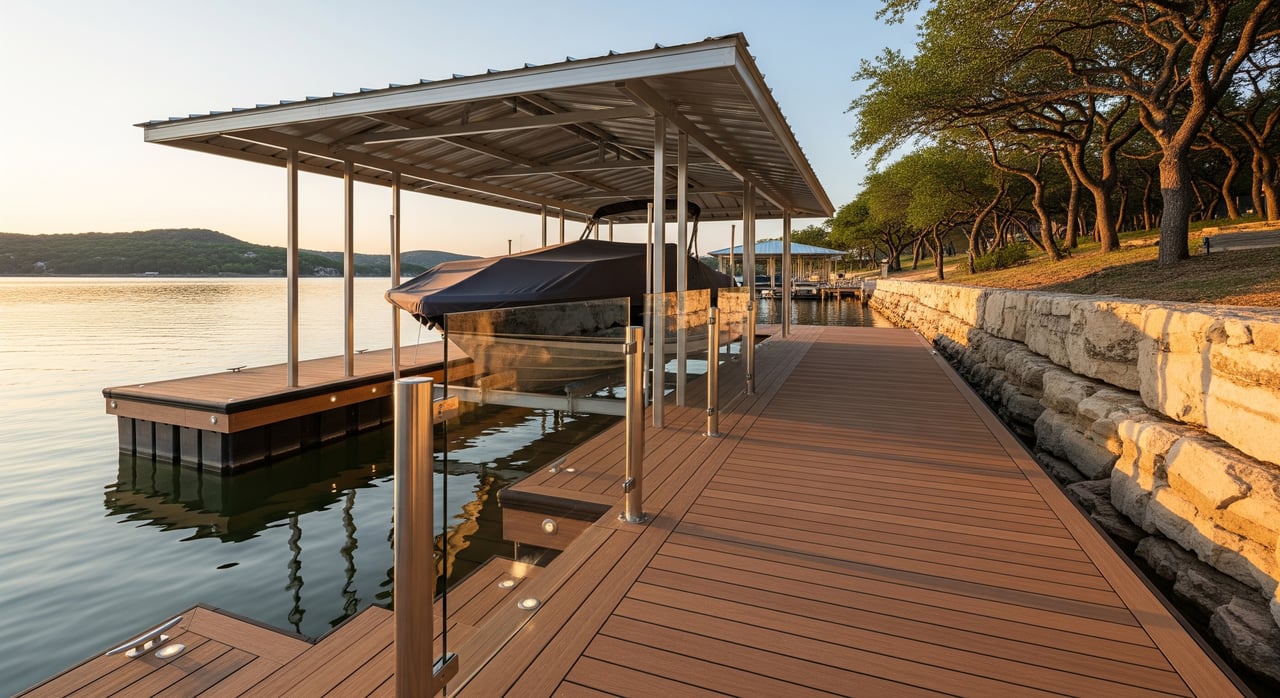
Expect LCRA to require durable, marine-grade materials and safe anchoring. Treated lumber, composite decking, aluminum, and structural steel are common when designed for lake conditions. Floating docks are often treated differently than fixed pile-supported structures because of water level changes and ecological considerations.
Paving, bulkheads, or grading along the shoreline can be restricted. Vegetation removal may require a separate authorization or mitigation. Always review permit conditions before altering the shoreline.
Maintenance, repairs, and storm events
Routine care vs major work
Permit holders are responsible for keeping docks safe and in compliance. Ordinary maintenance like replacing boards or repainting is typically allowed. Major reconstruction, expansion, or layout changes usually requires prior approval.
After storm damage
If a storm damages a dock, you may need to notify LCRA before repairs or seek a permit amendment. Emergency stabilization might be allowed in some cases, but rebuilding a destroyed dock often triggers current rules. A rebuild can remove any prior grandfathered status, which changes what you can restore.
Selling or buying a property with a dock
Some authorizations can transfer to a new owner, and others require formal notification or reapplication. Do not assume transferability. Ask LCRA for written confirmation and obtain full permit files from the seller.
Compliance and enforcement
Unauthorized work can lead to stop-work orders, fines, or even removal requirements. Noncompliance today can also make future permits harder to obtain. Keeping a dock within its authorized footprint and conditions protects both safety and value.
Insurance and liability
Docks add liability exposure. Insurers may ask for permit records or proof of maintenance. Confirm coverage early, and understand how dock condition and compliance affect premiums.
Due diligence checklist for buyers
Use this checklist before you write an offer or during your option period:
-
Seller documents to request:
- LCRA permit or authorization, including as-built drawings and any amendments
- Permit dates, renewals, and any inspection or violation records
- A current survey showing property lines and the shoreline or high-water reference used in the permit
-
Direct verification with authorities:
- Call LCRA to confirm permit status, scope, and whether the authorization can transfer
- Check City of Austin or Travis County records for building and floodplain permits or any notices
-
Physical and technical review:
- Hire a marine or dock contractor experienced with Lake Austin and LCRA to evaluate structure, anchoring, and materials
- Order a licensed survey if boundaries or possible encroachments are unclear
- For substantial docks or shoreline stabilization, consider a structural or shoreline engineer
-
Title and legal review:
- Ask your title company or real estate attorney to search for easements, covenants, or recorded restrictions that affect shoreline use
- Confirm HOA rules or architectural controls that apply to dock design or changes
-
Financial and timing considerations:
- Get estimates to repair, bring into compliance, or replace a dock if needed
- Factor in permit processing time and the risk that a proposed modification could be denied
- Use contingencies if dock status, repairs, or approvals are material to your purchase
-
Insurance:
- Confirm insurability and potential premium impact based on current condition and compliance
How dock status affects value and strategy
Market desirability
A permitted, well-maintained dock that fits your boats, lifts, and access needs is a strong value add on Lake Austin. It enhances enjoyment and can support a pricing premium. A non-permitted, deteriorated, or undersized dock can depress buyer interest and increase post-closing costs.
Risk, cost, and timing
Legalizing or rebuilding an unauthorized dock can be costly and uncertain because of site-specific rules. If a dock would have to be reduced in size or removed after severe damage, that risk can affect long-term resale value. Make sure your timeline accounts for permit reviews and contractor scheduling.
Negotiation tactics that protect you
If dock condition or approval status is central to the purchase, write it into your offer. Include contingencies for permit confirmation, structural inspection, and cost estimates. Use documented findings to request repairs, credits, or price adjustments. This approach aligns the deal with real costs and reduces unpleasant surprises.
Working with local waterfront experts
Lake Austin transactions reward preparation and local knowledge. You will coordinate with LCRA, city or county offices, experienced dock contractors, surveyors, and sometimes engineers. A calm, methodical approach helps you make confident decisions and secure a dock that matches your lifestyle.
If you want discreet, principal-led guidance on Lake Austin or Lake Travis, connect with Megan DiBartolo for a confidential consultation. You will get seasoned representation, thoughtful due diligence, and access to lifestyle-focused options along Austin’s western lakes and Hill Country.
FAQs
Do you need an LCRA permit for a Lake Austin dock?
- Most docks and shoreline structures require LCRA authorization, so verify the status for each property before you buy.
Are older Lake Austin docks grandfathered under past rules?
- Some are, but expanding or rebuilding can trigger current standards, so you should rely only on written permits and past authorization records.
Can you add a boat lift or enlarge an existing dock?
- Modifications typically need prior LCRA approval, and feasibility depends on the original permit, proximity to neighbors, and site constraints.
What if a storm severely damages the dock on a home you are buying?
- Repairs may be allowed, but major rebuilding often requires a new or amended permit, so contact LCRA right away and confirm next steps.
How long do LCRA permits last and can they transfer to a buyer?
- Validity and transferability are case specific, so obtain written confirmation from LCRA and follow any required owner-notification steps.
Who else should you contact besides LCRA during due diligence?
- City of Austin or Travis County permitting offices, any HOA, and local marine contractors, surveyors, engineers, and your title or legal advisors are key resources.