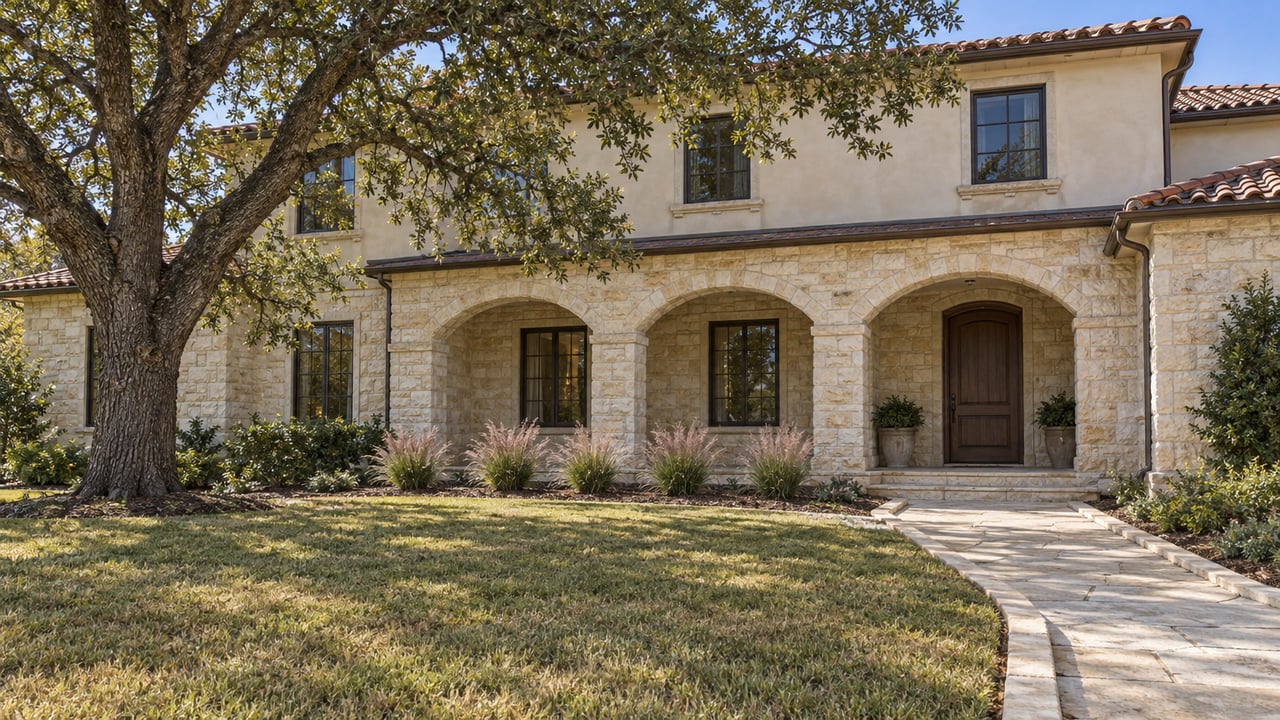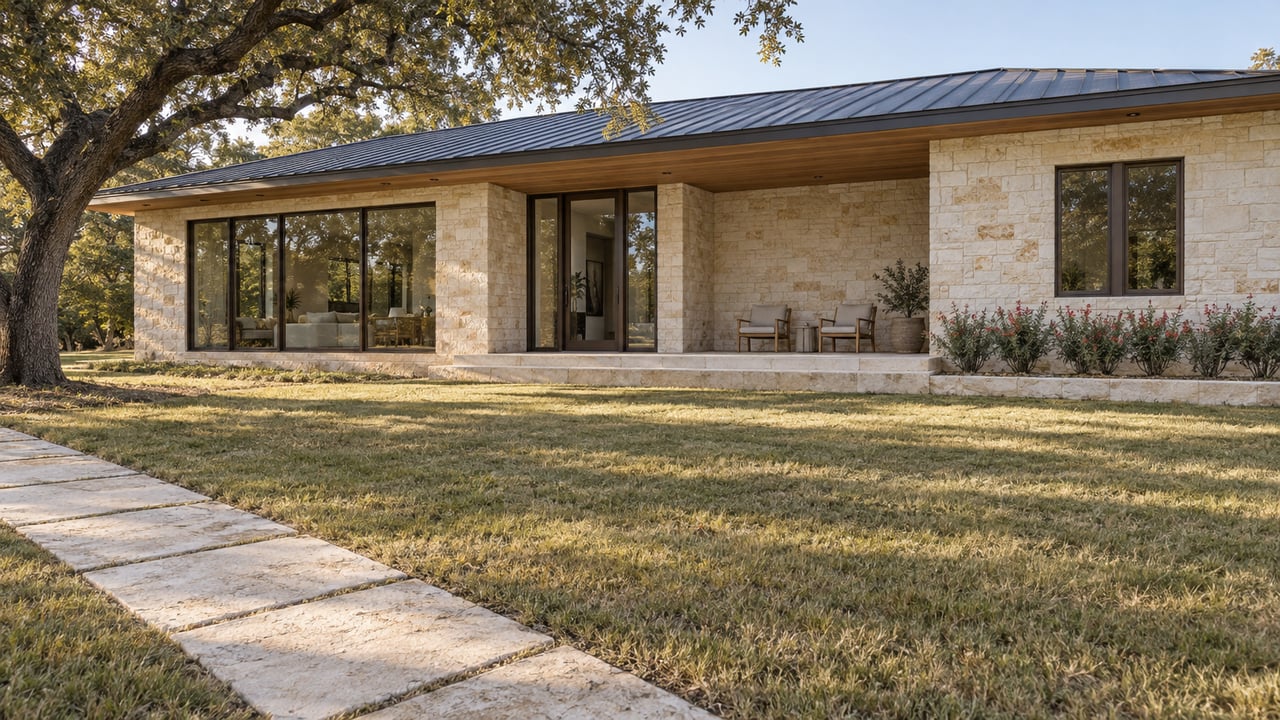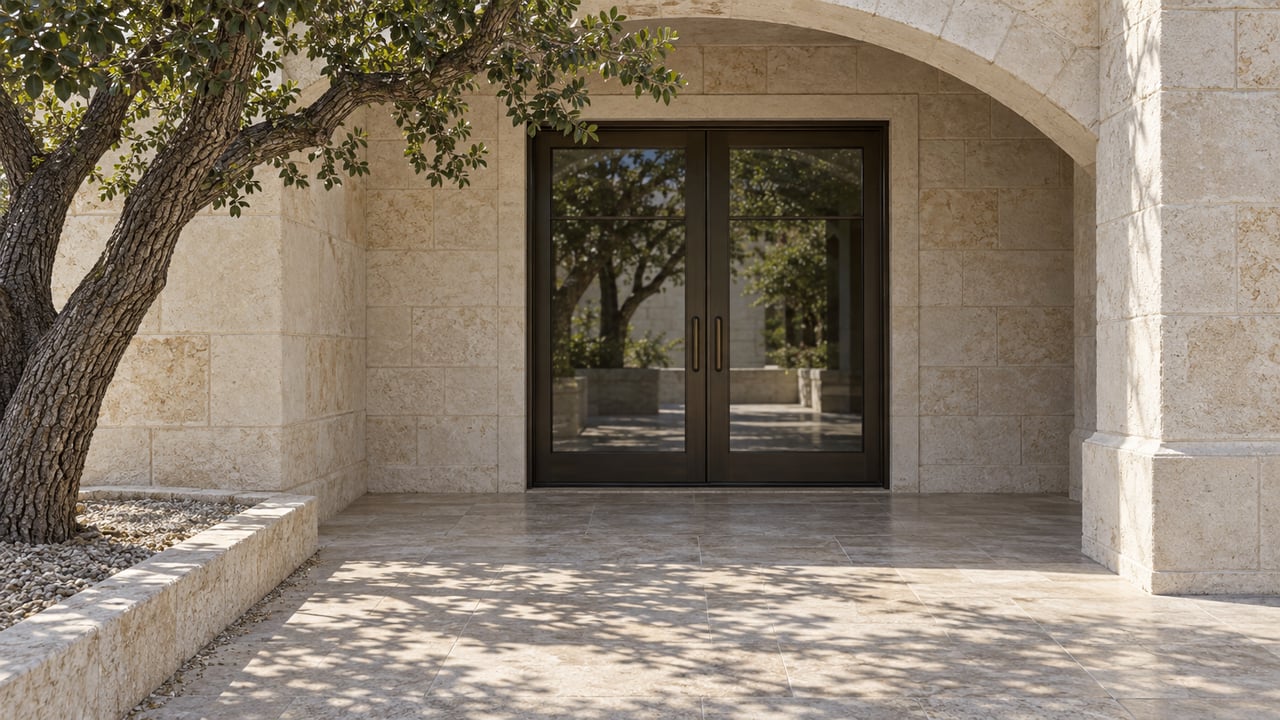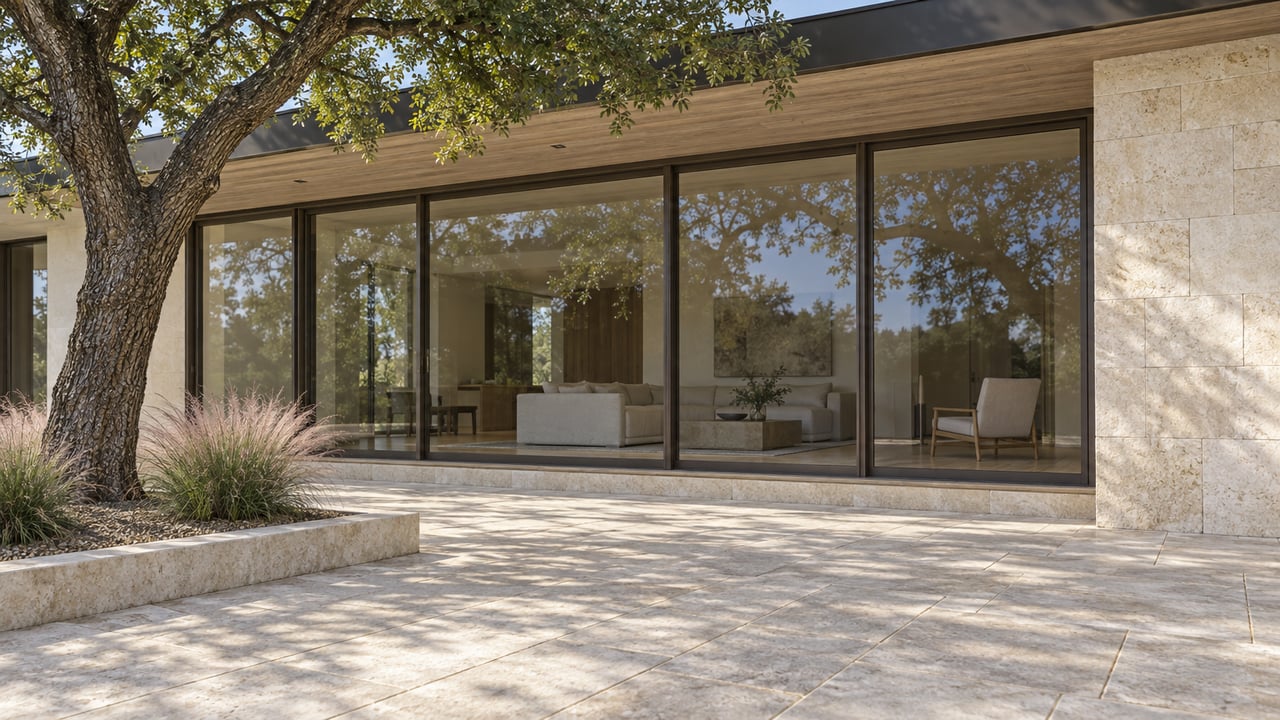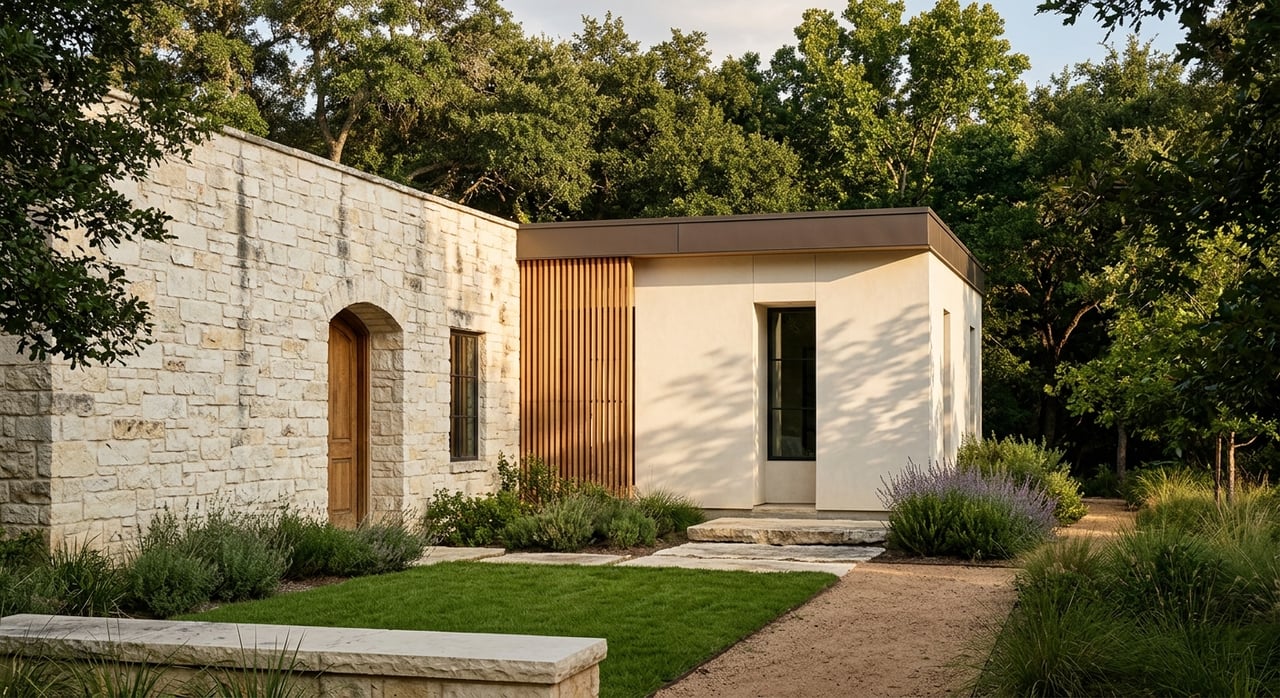
If you own or are considering a property in Tarrytown, the renovate-versus-rebuild question can feel bigger than square footage alone. In this part of Austin, mature trees, older homes, historic review questions, and lot-specific zoning rules can all shape what is realistic. The good news is that you can make a smart call once you understand the property’s constraints and your long-term goals. Let’s dive in.
Why Tarrytown Is Different
Tarrytown is not a one-size-fits-all neighborhood. It sits within west Austin’s Council District 10, and the city’s planning documents describe the area as an early suburb with narrow streets, established tree canopy, and many streets that predate current sidewalk requirements. Those same documents also note concerns about larger new homes, tree loss, and added impervious cover that can contribute to localized flooding.
That context matters because your decision is not just about the house. It is also about how the site fits into the surrounding streetscape, landscaping, drainage, and review process. In Tarrytown, a beautiful renovation may be the right answer on one block, while a full rebuild may make sense just a few streets away.
Tarrytown also has the lot sizes to support very different outcomes. According to AIA Austin’s HOME Initiative report, the neighborhood’s median residential lot size is 9,344 square feet. A city demographer memo also noted that many original houses may have been around 1,300 square feet, while some replacements now range from 5,000 to 10,000 square feet. That wide range helps explain why both careful renovations and substantial rebuilds are part of the Tarrytown story.
Start With the Property, Not the Idea
In Tarrytown, the right answer usually starts with the address, not your initial preference. Before you commit to plans, you need to confirm what the city says about that specific parcel. The City of Austin Property Profile tool is the best first step for checking official zoning and property records.
From there, four questions tend to drive the decision:
- What is the property’s zoning?
- Is there any historic designation or review trigger?
- Are there tree, utility, floodplain, or site constraints?
- Does your long-term lifestyle goal justify the timeline, cost, and disruption?
When you answer those questions early, you avoid falling in love with a plan that may be expensive, delayed, or difficult to approve.
Zoning Often Decides What Is Possible
A lot that looks generous in Tarrytown may still have meaningful development limits. Austin’s residential zoning table shows minimum lot sizes that vary by district, including 5,750 square feet for SF-2 and SF-3, 3,600 square feet for SF-4A, along with a typical 35-foot height cap for most single-family districts. Setbacks also vary by zoning type, which can affect how much of the lot you can actually use.
That is why the neighborhood name alone does not tell you whether an addition or teardown will pencil out. The exact zoning classification, plus any overlays or other site-specific controls, will determine how much flexibility you have. You can review those standards through the city’s residential zoning regulations table.
When Renovating Makes More Sense
Renovation is often the better choice when the existing home still has a usable structure, appealing architectural character, and a layout you can improve without crossing into a near-total rebuild. In a neighborhood known for mature trees and older homes, that path can align well with the area’s established fabric.
A renovation may be worth stronger consideration if:
- The house has original details or period character you want to keep
- The current footprint works with a smart addition or interior reconfiguration
- Mature trees limit where and how you can build
- Historic review could complicate major exterior changes or demolition
- You want less disruption than a full teardown and new-construction process
This path can also help preserve site features that are harder to replace than square footage, such as landscaping, shade, and the settled feel of the lot.
When Rebuilding May Be the Better Move
A rebuild usually becomes more compelling when the existing house is functionally obsolete or when your goals require such major structural changes that starting over is more logical. On some Tarrytown lots, especially larger parcels, owners may want a dramatically different floor plan, updated systems, modern indoor-outdoor living, or a much larger home than the original structure can reasonably support.
That logic is part of why teardown activity has occurred in the neighborhood over time. The city demographer memo cited in the research shows how smaller original homes have often given way to much larger replacement homes. Still, that does not mean every property is a good candidate. Rebuild feasibility still depends on zoning, setbacks, tree protection, historic review, and infrastructure conditions.
Tree Rules Can Shift the Budget Fast
In Tarrytown, mature trees are not just part of the setting. They can also be a major project variable. Austin’s residential new-construction application requires attention to tree protection, and trees 19 inches or larger trigger tree review.
That matters because a site plan that looks clean on paper may become more expensive or more constrained once root zones, protected trees, and placement limits are factored in. For some owners, that pushes the answer back toward renovation. For others, it simply means a rebuild needs more careful design and a more realistic budget from the beginning.
Historic Review Can Change the Entire Equation
One of the biggest reasons to pause before planning a teardown is historic review. The City of Austin Historic Preservation Office advises owners to use the Historic Property Viewer and preservation guidance to confirm whether a parcel is a landmark, in a locally designated historic district, or in a National Register district.
If a property is a landmark or a contributing property in a historic district or National Register district, exterior alterations, additions, permanent site work, signs, and stand-alone new construction require historic review. The city also notes that even buildings 40 years old or older can trigger review questions, even if they are not in a formal district.
That is especially important in Tarrytown, where many homes are old enough to warrant a closer look. The Old West Austin National Register Historic District map includes streets associated with the broader west Austin and Tarrytown area, so parcel-by-parcel verification is essential.
Rebuilds Usually Mean More Coordination
A rebuild is rarely just a design decision. It is a process decision. The city’s residential plan review process notes that new construction and additions are generally reviewed in 15 business days, while demolition review is generally 5 business days. The city also offers a Preliminary Plan Review meeting before submittal, which can help identify code issues early.
That timeline may sound manageable, but most rebuilds require several moving parts. The residential new-construction application calls for review of impervious cover, setbacks, height, parking, right-of-way work, Austin Energy clearance, Austin Water service verification, floodplain proximity, and tree protection. New construction also must comply with the city’s visitability ordinance.
If more than 50 percent of the exterior walls will be demolished, a separate demolition application is required. The demolition process itself can require owner authorization, a dimensioned site plan or survey, an affidavit of compliance, and asbestos-notification documents. In practical terms, a rebuild often means more consultants, more approvals, and more opportunities for delay.
Utility and Street Work Should Be Part of the Plan
Timing matters in Tarrytown, especially if public infrastructure work overlaps with your project. The city’s South Tarrytown water and wastewater renewal project is replacing about 9,500 linear feet of water lines and 10,000 linear feet of wastewater lines on an expected 36-month schedule that began in October 2023.
That will not affect every parcel in the same way, but it is a useful reminder that access, street conditions, and utility work can shape construction schedules. If you are weighing a purchase with plans to renovate or rebuild quickly, this is one more reason to investigate the property before making assumptions.
A Practical Tarrytown Decision Framework
If you are trying to make the call, this simple framework can help keep the process grounded.
Choose renovation if...
- The existing structure is sound and worth improving
- You value the home’s original character
- You can meet your goals with an addition or reconfiguration
- Tree preservation or historic review makes major demolition less attractive
- You want to limit disruption and maintain more of the site as it exists today
Choose rebuild if...
- The current house cannot support your desired layout or scale
- Major structural work would be required anyway
- The lot size, zoning, and setbacks support a new plan
- Tree and historic review issues are manageable
- Your long-term goals justify a more complex permit and construction process
What Buyers and Sellers Should Watch For
If you are buying in Tarrytown, avoid assuming that a large lot automatically means easy expansion or redevelopment. Verify zoning, review history, tree constraints, and any preservation issues before you price the opportunity into your offer.
If you are selling, understand that buyers may value your property very differently depending on whether it reads as a renovation candidate or a rebuild site. Clear due diligence can help frame that conversation more effectively and attract the right audience. In a neighborhood like Tarrytown, presentation matters, but so does the quality of the property story behind it.
When you are evaluating a Tarrytown home, the goal is not to force a renovation or a rebuild. The goal is to understand what the property can truly support and what path best fits your lifestyle, budget, and timeline. If you want a discreet, well-informed strategy for buying or selling in Austin’s established luxury neighborhoods, Megan DiBartolo can help you assess the opportunity with clarity.
FAQs
How do you check whether a Tarrytown property can be rebuilt?
- Start with the City of Austin Property Profile tool to verify zoning and property records, then confirm whether historic review, tree protection, floodplain issues, or utility constraints apply.
Does every older home in Tarrytown require historic review?
- No, but the city notes that buildings 40 years old or older can still require review in some cases, so age alone is enough to justify checking with the Historic Preservation Office.
Is renovating a Tarrytown home easier than rebuilding?
- Often yes, because a rebuild usually requires more review for demolition, site planning, trees, utilities, and code compliance, but the answer depends on the scope of the renovation.
Do large Tarrytown lots always support much bigger homes?
- Not necessarily. Lot size helps, but zoning, setbacks, height limits, impervious cover, tree protection, and historic considerations all affect what can actually be built.
Why do mature trees matter in a Tarrytown renovation or rebuild decision?
- Mature trees can limit building placement and trigger review, especially when trees 19 inches or larger are involved, which can increase design complexity, timing, and cost.
Should buyers in Tarrytown assume a teardown is straightforward?
- No. In Tarrytown, teardown potential should be verified on a parcel-by-parcel basis because zoning, preservation review, demolition requirements, and infrastructure conditions can all change the feasibility.